
How to Repurpose Old Tech for Sustainable Living: Innovative Ideas for a Greener Future
Old technology can often be seen as obsolete, yet it holds immense potential for promoting a sustainable lifestyle. Repurposing old tech not only reduces electronic waste but also allows individuals to creatively enhance their living environment while contributing to sustainability efforts. By transforming outdated devices into functional tools or art, people can make a positive impact on the planet.
In a world increasingly focused on eco-friendly practices, repurposing tech can serve as an engaging challenge. From turning an old smartphone into a home security camera to using computer parts for unique DIY projects, there are numerous ways to give life to forgotten gadgets. This approach not only helps in minimising waste but also encourages innovative thinking, making sustainability a more accessible goal for everyone.
As individuals seek to adopt sustainable living practices, the option to repurpose tech provides a practical and rewarding avenue. By embracing the idea that old devices can serve new purposes, they contribute to a circular economy, ultimately benefiting the environment. The movement towards sustainability can start at home, transforming how one interacts with technology.
The Benefits of Repurposing Old Technology
Repurposing old technology presents significant advantages, particularly regarding reducing e-waste, supporting a circular economy, and saving resources. Each of these elements contributes to a more sustainable lifestyle.
Reducing E-Waste and Environmental Impact
E-waste refers to discarded electronic devices that often end up in landfills. By repurposing technology, individuals can mitigate the growing problem of electronic waste.
Reducing reliance on new electronics prevents further accumulation of e-waste. Many old devices can be transformed for various uses, thus extending their life cycle.
The environmental impact is profound; recycling and repurposing help reduce harmful chemicals leaching into the soil and water. Although not every device can be wholly recycled, repurposing offers a responsible alternative.
Supporting the Circular Economy
The circular economy emphasises keeping resources in use for as long as possible. Repurposing old technology fosters this model by minimising waste and maximising resource efficiency.
In this system, products are designed for longevity, and materials are recycled to create new products. Repurposing allows technology to be reused multiple times or transformed into new items, ensuring valuable materials are not lost.
Communities benefit too, as local initiatives often circle around repurposing events, contributing to eco-friendly practices. Supporting local repair shops or workshops promotes skills, builds community bonds, and encourages sustainable behaviours.
Saving Resources and Reducing Carbon Footprint
Repurposing technology significantly reduces the need for new materials. Manufacturing new devices consumes energy and resources, contributing to a higher carbon footprint.
By reusing old electronics, fewer raw materials are required to create products from scratch. This action not only preserves natural resources but also decreases greenhouse gas emissions associated with production processes.
Moreover, repurposed devices often consume less energy than newer models, further lowering energy demands. Each repurposing act ultimately helps to create a more sustainable and efficient ecosystem.
Creative Ways to Repurpose Old Tech at Home
Repurposing old technology offers innovative solutions for sustainable living. This section explores various approaches to transform unused devices into practical tools that enhance home security, create unique decor, and minimise waste.
Transforming Devices into Security Systems
Old smartphones and webcams can be repurposed into effective security systems. By using apps designed for home security, individuals can easily convert outdated devices into motion detectors or surveillance cameras.
- Set Up a Webcam: A simple webcam can monitor entry points. With software installed, it streams video to a mobile device.
- Install Motion Detection Software: Use compatible apps to send alerts when motion is detected.
- Cloud Storage Options: Some applications allow for cloud storage of footage, ensuring important recordings are safe.
Using these methods helps to enhance home security without the need for new purchases.
Upcycling for Living Spaces
Transforming old tech into decor items can add character to living spaces. Many discarded materials can be turned into something aesthetically pleasing and functional.
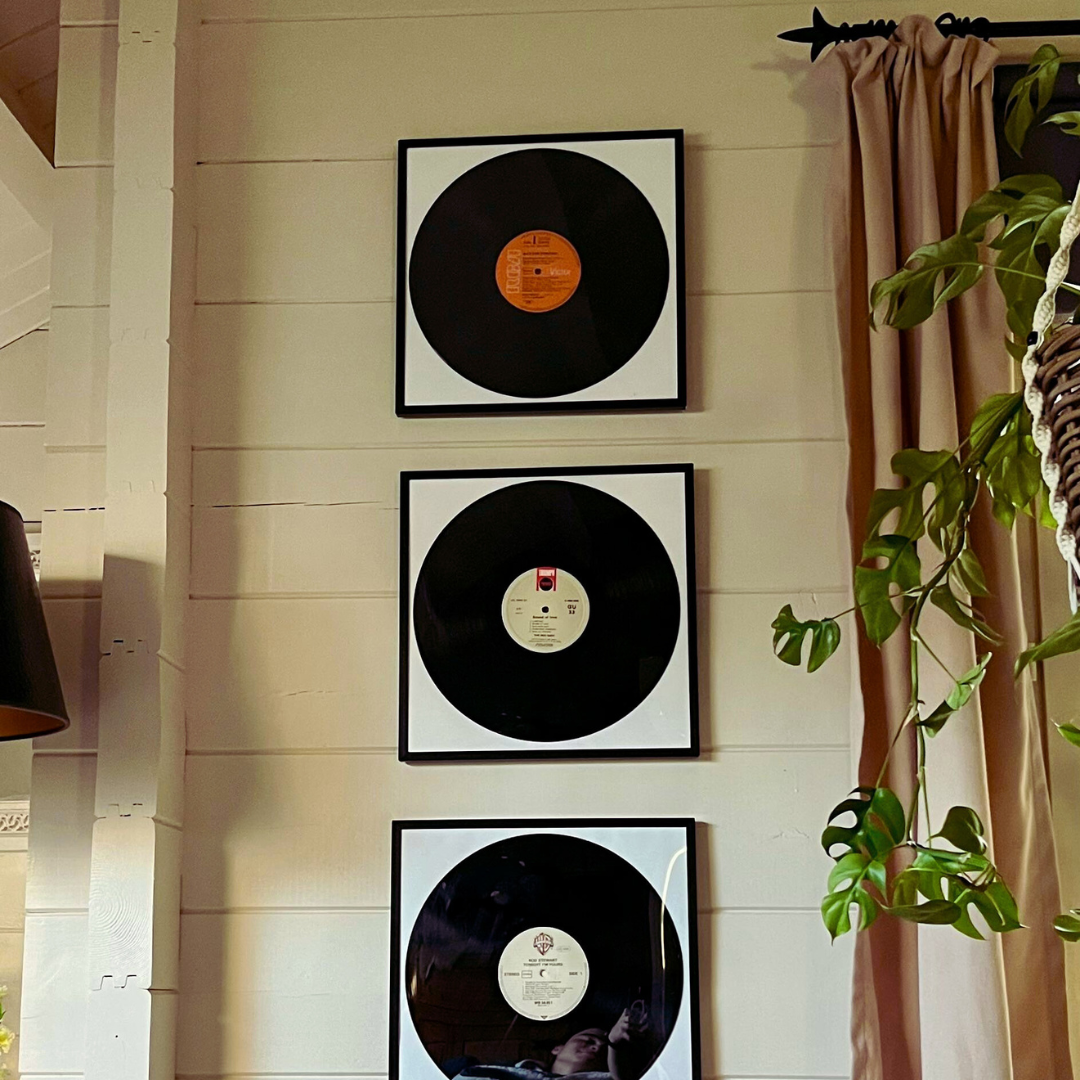
- Vinyl Records: These can be converted into wall art or bowls, offering a retro touch.
- Old Screens: Broken computer monitors might become a monitor stand or shelving.
- Keyboard Key Art: Keys from an old keyboard can be used to create unique picture frames or coasters.
Each of these projects not only minimises waste but also provides a personal touch to home decor.
DIY Projects for Unique Pieces
Engaging in DIY projects with old technology fosters creativity and resourcefulness. Individuals can reclaim old devices to produce functional household items.
- USB Drive Planters: Old flash drives can be hollowed out and repurposed as tiny planters for succulents.
- Laptop Shelves: A broken laptop can be transformed into a stylish shelf with some basic materials.
- Bluetooth Speakers: Repurpose outdated speakers into Bluetooth-enabled devices to enjoy wireless music.
These projects illustrate that discarded items can be valued and transformed into unique pieces.
Sustainable Living Through Refurbishment
Refurbishing old tech not only contributes to reducing waste but can also provide useful tools. Repairing broken electronics can extend their lifespan significantly.
- Changing Batteries: Many devices can be revived with new batteries.
- Software Updates: Updating software can improve functionality and security.
- Second-Hand Market: Successfully refurbished devices can be sold or donated, further reducing waste.
By investing effort into refurbishment, individuals can play a crucial role in promoting sustainability in their homes.
Innovative Applications in Fashion and Everyday Life
Repurposing old technology is gaining traction as a means to promote sustainable living within the fashion industry and daily life. This approach not only addresses the issues of waste but also encourages innovative design strategies that reflect a more responsible consumption mindset.
Integrating Old Tech into Sustainable Fashion
Fashion designers are increasingly integrating old tech into garments and accessories. This includes the use of discarded electronic components, such as circuit boards and buttons, to create unique fashion statements. By incorporating these materials, creators can produce clothing and accessories that are not only visually appealing but also environmentally friendly.
Collaborations between tech companies and fashion brands drive this trend, providing designers access to old devices and materials. By rethinking how textiles and electronics can coexist, the industry challenges conventional notions of fashion and sustainability.
Reducing Fast Fashion and Resource Use
The fashion industry significantly contributes to environmental degradation. Fast fashion relies heavily on new raw materials, exacerbating resource depletion. Innovatively repurposing old tech reduces demand for these materials and promotes a circular economy.
By encouraging consumers to repair and repurpose existing items, brands can minimise waste and resource use. This behavioural shift supports the reduction of fast fashion’s detrimental impact, fostering a culture that values quality over quantity.
Upcycling Materials for Vintage Items
Upcycling is another effective method to create vintage items while extending the lifecycle of old technology. Designers are transforming outdated electronics into fashionable pieces, such as bags made from recycled laptop cases or dresses that feature components from obsolete devices.
This practice not only preserves the functionality of materials but also infuses them with new life. Consumers value unique, one-of-a-kind items, making upcycled fashion appealing. Engaging in this creative process encourages reformation and reinvention within the industry, highlighting the potential of what was once considered obsolete.
Responsible Disposal and Maximising Sustainability
Maximising sustainability involves careful disposal of old tech while reclaiming valuable components. Responsible practices can significantly reduce environmental impact and contribute to a sustainable lifestyle.
When to Recycle or Reclaim Components
Recycling is essential for components that are no longer functional. Items like circuit boards and batteries contain valuable materials that can be reclaimed.
Tech can often be recycled if it’s outdated or broken. For instance, older smartphones can yield metals like gold and copper when recycled properly.
Check local e-waste facilities to find accepted items. Some communities offer specialised drop-off days for tech recycling, ensuring proper handling and reducing landfill contributions.
Safe Handling of Hazardous Materials like Lead
Certain electronic devices, especially older models, may contain hazardous materials such as lead and mercury. When handling these items, caution is crucial.
Always wear protective gear, including gloves and masks, when dismantling tech. If unsure, seek professional help for disposal to prevent exposure to toxic substances.
Local councils often provide guidelines for hazardous waste disposal. Following these guidelines ensures safe handling and reduces environmental risks associated with improper disposal.
Buying and Donating at Discounted Prices
Purchasing refurbished or second-hand devices is an effective way to promote sustainability. These products often come at discounted prices and serve as alternatives to new tech.
Donating old tech can benefit others while minimising waste. Organisations often accept working devices for those in need, supporting community initiatives.
When buying, check for remanufactured options. They undergo rigorous testing and come with warranties, offering value while contributing to sustainable practices.
Reducing Food Waste with Smart Old Tech
Old tech can play a role in reducing food waste, particularly through smart devices. For example, using expired smartphones as food inventory trackers can help manage supplies efficiently.
Apps are available that track expiry dates, generating alerts when items need to be used. This method reduces waste and encourages meal planning.
Additionally, smart fridges can monitor contents and suggest recipes based on available items. By utilising older devices in this manner, households can minimise food wastage and promote sustainability.