How to Repurpose Old Tech for Sustainable Living: Innovative Ideas for a Greener Future

Old technology can often be seen as obsolete, yet it holds immense potential for promoting a sustainable lifestyle. Repurposing old tech not only reduces electronic waste but also allows individuals to creatively enhance their living environment while contributing to sustainability efforts. By transforming outdated devices into functional tools or art, people can make a positive impact on the planet.

In a world increasingly focused on eco-friendly practices, repurposing tech can serve as an engaging challenge. From turning an old smartphone into a home security camera to using computer parts for unique DIY projects, there are numerous ways to give life to forgotten gadgets. This approach not only helps in minimising waste but also encourages innovative thinking, making sustainability a more accessible goal for everyone.

As individuals seek to adopt sustainable living practices, the option to repurpose tech provides a practical and rewarding avenue. By embracing the idea that old devices can serve new purposes, they contribute to a circular economy, ultimately benefiting the environment. The movement towards sustainability can start at home, transforming how one interacts with technology.

The Benefits of Repurposing Old Technology

Repurposing old technology presents significant advantages, particularly regarding reducing e-waste, supporting a circular economy, and saving resources. Each of these elements contributes to a more sustainable lifestyle.

Reducing E-Waste and Environmental Impact

E-waste refers to discarded electronic devices that often end up in landfills. By repurposing technology, individuals can mitigate the growing problem of electronic waste.

Reducing reliance on new electronics prevents further accumulation of e-waste. Many old devices can be transformed for various uses, thus extending their life cycle.

The environmental impact is profound; recycling and repurposing help reduce harmful chemicals leaching into the soil and water. Although not every device can be wholly recycled, repurposing offers a responsible alternative.

Supporting the Circular Economy

The circular economy emphasises keeping resources in use for as long as possible. Repurposing old technology fosters this model by minimising waste and maximising resource efficiency.

In this system, products are designed for longevity, and materials are recycled to create new products. Repurposing allows technology to be reused multiple times or transformed into new items, ensuring valuable materials are not lost.

Communities benefit too, as local initiatives often circle around repurposing events, contributing to eco-friendly practices. Supporting local repair shops or workshops promotes skills, builds community bonds, and encourages sustainable behaviours.

Saving Resources and Reducing Carbon Footprint

Repurposing technology significantly reduces the need for new materials. Manufacturing new devices consumes energy and resources, contributing to a higher carbon footprint.

By reusing old electronics, fewer raw materials are required to create products from scratch. This action not only preserves natural resources but also decreases greenhouse gas emissions associated with production processes.

Moreover, repurposed devices often consume less energy than newer models, further lowering energy demands. Each repurposing act ultimately helps to create a more sustainable and efficient ecosystem.

Creative Ways to Repurpose Old Tech at Home

Repurposing old technology offers innovative solutions for sustainable living. This section explores various approaches to transform unused devices into practical tools that enhance home security, create unique decor, and minimise waste.

Transforming Devices into Security Systems

Old smartphones and webcams can be repurposed into effective security systems. By using apps designed for home security, individuals can easily convert outdated devices into motion detectors or surveillance cameras.

  • Set Up a Webcam: A simple webcam can monitor entry points. With software installed, it streams video to a mobile device.
  • Install Motion Detection Software: Use compatible apps to send alerts when motion is detected.
  • Cloud Storage Options: Some applications allow for cloud storage of footage, ensuring important recordings are safe.

Using these methods helps to enhance home security without the need for new purchases.

Upcycling for Living Spaces

Transforming old tech into decor items can add character to living spaces. Many discarded materials can be turned into something aesthetically pleasing and functional.

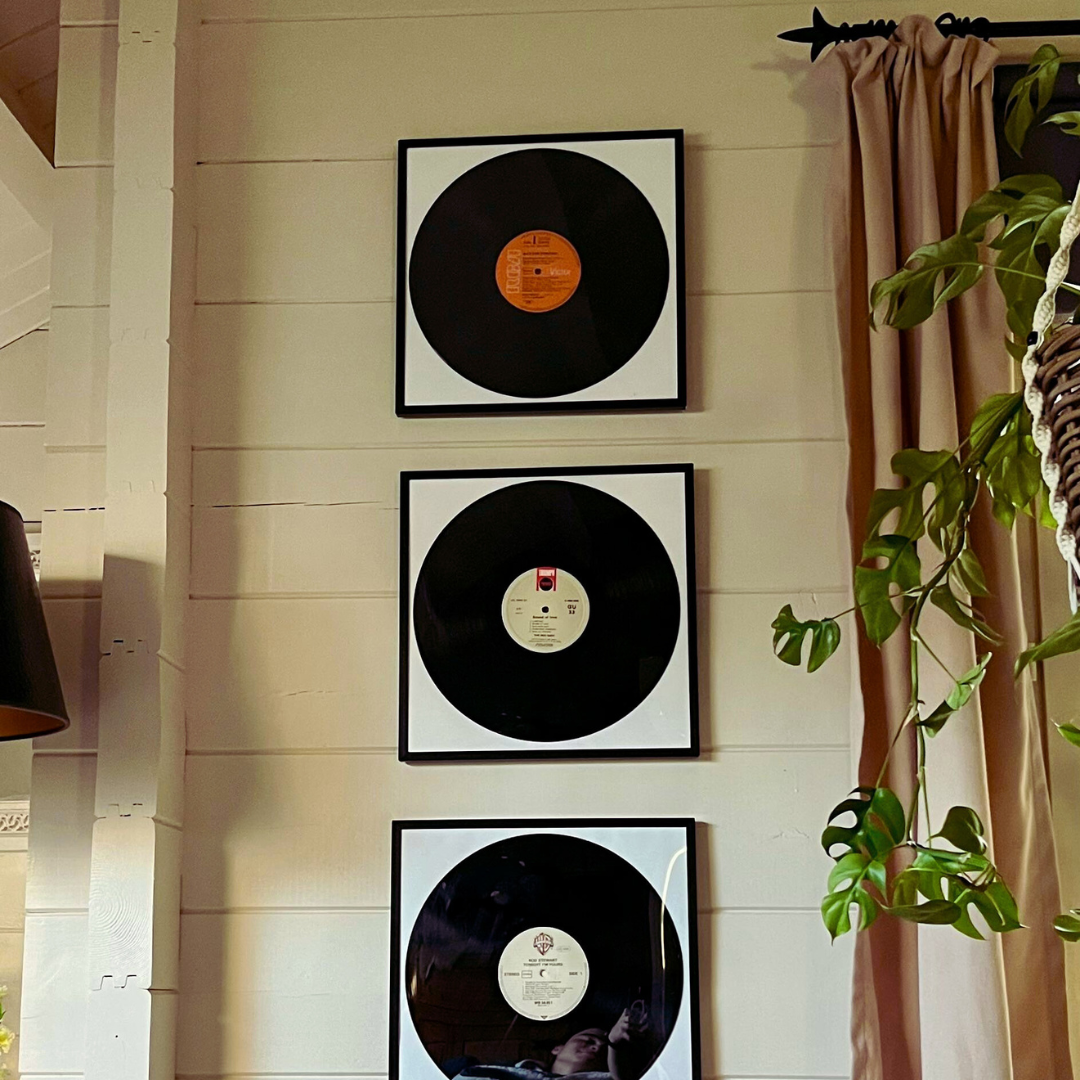
  • Vinyl Records: These can be converted into wall art or bowls, offering a retro touch.
  • Old Screens: Broken computer monitors might become a monitor stand or shelving.
  • Keyboard Key Art: Keys from an old keyboard can be used to create unique picture frames or coasters.

Each of these projects not only minimises waste but also provides a personal touch to home decor.

DIY Projects for Unique Pieces

Engaging in DIY projects with old technology fosters creativity and resourcefulness. Individuals can reclaim old devices to produce functional household items.

  • USB Drive Planters: Old flash drives can be hollowed out and repurposed as tiny planters for succulents.
  • Laptop Shelves: A broken laptop can be transformed into a stylish shelf with some basic materials.
  • Bluetooth Speakers: Repurpose outdated speakers into Bluetooth-enabled devices to enjoy wireless music.

These projects illustrate that discarded items can be valued and transformed into unique pieces.

Sustainable Living Through Refurbishment

Refurbishing old tech not only contributes to reducing waste but can also provide useful tools. Repairing broken electronics can extend their lifespan significantly.

  • Changing Batteries: Many devices can be revived with new batteries.
  • Software Updates: Updating software can improve functionality and security.
  • Second-Hand Market: Successfully refurbished devices can be sold or donated, further reducing waste.

By investing effort into refurbishment, individuals can play a crucial role in promoting sustainability in their homes.

Innovative Applications in Fashion and Everyday Life

Repurposing old technology is gaining traction as a means to promote sustainable living within the fashion industry and daily life. This approach not only addresses the issues of waste but also encourages innovative design strategies that reflect a more responsible consumption mindset.

Integrating Old Tech into Sustainable Fashion

Fashion designers are increasingly integrating old tech into garments and accessories. This includes the use of discarded electronic components, such as circuit boards and buttons, to create unique fashion statements. By incorporating these materials, creators can produce clothing and accessories that are not only visually appealing but also environmentally friendly.

Collaborations between tech companies and fashion brands drive this trend, providing designers access to old devices and materials. By rethinking how textiles and electronics can coexist, the industry challenges conventional notions of fashion and sustainability.

Reducing Fast Fashion and Resource Use

The fashion industry significantly contributes to environmental degradation. Fast fashion relies heavily on new raw materials, exacerbating resource depletion. Innovatively repurposing old tech reduces demand for these materials and promotes a circular economy.

By encouraging consumers to repair and repurpose existing items, brands can minimise waste and resource use. This behavioural shift supports the reduction of fast fashion’s detrimental impact, fostering a culture that values quality over quantity.

Upcycling Materials for Vintage Items

Upcycling is another effective method to create vintage items while extending the lifecycle of old technology. Designers are transforming outdated electronics into fashionable pieces, such as bags made from recycled laptop cases or dresses that feature components from obsolete devices.

This practice not only preserves the functionality of materials but also infuses them with new life. Consumers value unique, one-of-a-kind items, making upcycled fashion appealing. Engaging in this creative process encourages reformation and reinvention within the industry, highlighting the potential of what was once considered obsolete.

Responsible Disposal and Maximising Sustainability

Maximising sustainability involves careful disposal of old tech while reclaiming valuable components. Responsible practices can significantly reduce environmental impact and contribute to a sustainable lifestyle.

When to Recycle or Reclaim Components

Recycling is essential for components that are no longer functional. Items like circuit boards and batteries contain valuable materials that can be reclaimed.

Tech can often be recycled if it’s outdated or broken. For instance, older smartphones can yield metals like gold and copper when recycled properly.

Check local e-waste facilities to find accepted items. Some communities offer specialised drop-off days for tech recycling, ensuring proper handling and reducing landfill contributions.

Safe Handling of Hazardous Materials like Lead

Certain electronic devices, especially older models, may contain hazardous materials such as lead and mercury. When handling these items, caution is crucial.

Always wear protective gear, including gloves and masks, when dismantling tech. If unsure, seek professional help for disposal to prevent exposure to toxic substances.

Local councils often provide guidelines for hazardous waste disposal. Following these guidelines ensures safe handling and reduces environmental risks associated with improper disposal.

Buying and Donating at Discounted Prices

Purchasing refurbished or second-hand devices is an effective way to promote sustainability. These products often come at discounted prices and serve as alternatives to new tech.

Donating old tech can benefit others while minimising waste. Organisations often accept working devices for those in need, supporting community initiatives.

When buying, check for remanufactured options. They undergo rigorous testing and come with warranties, offering value while contributing to sustainable practices.

Reducing Food Waste with Smart Old Tech

Old tech can play a role in reducing food waste, particularly through smart devices. For example, using expired smartphones as food inventory trackers can help manage supplies efficiently.

Apps are available that track expiry dates, generating alerts when items need to be used. This method reduces waste and encourages meal planning.

Additionally, smart fridges can monitor contents and suggest recipes based on available items. By utilising older devices in this manner, households can minimise food wastage and promote sustainability.

Education App Testing: Ensuring Data Security for Students

If you’re involved in developing or managing education apps, you might already know how complex it can be to protect student data while meeting regulatory requirements. But what exactly does “data security testing” entail for education apps? Let’s break it down and explore how you can ensure your platform is a safe space for students.


Why Is Data Security So Important in Education Apps?

Think about what happens when someone uses an education app. Parents or students typically need to share personal details—names, emails, passwords, and often more. In some cases, these apps track student performance, behavioral data, or even location.

Now, imagine if this information fell into the wrong hands. A data breach not only puts students at risk but can also severely damage the trust users have in the app. Education apps are especially vulnerable because their users—often children—can’t always protect themselves against digital threats. This is why education app testing is of huge importance. 

After all, for these reasons, education apps face stricter scrutiny when it comes to data security. Many laws and regulations, like the Family Educational Rights and Privacy Act (FERPA) and Children’s Online Privacy Protection Act (COPPA) in the US, dictate how this information must be handled. Ensuring compliance isn’t just good practice; it’s mandatory.


Key Areas to Focus On in Security Testing

To keep your app secure, testing must cover all possible vulnerabilities. Here are the key areas to focus on during security testing:

  1. Authentication Protocols – Verify that your login system prevents unauthorized access. Multi-factor authentication (MFA) is a great way to add an extra layer of security. Does your app enforce strong passwords? Can users reset passwords securely? Testing these features is essential.
  2. Data Encryption – Any sensitive data your app stores or transmits should be encrypted. This applies to everything from student profiles to report cards. Encryption ensures that even if data is intercepted, it’s unreadable to unauthorized parties.
  3. Access Controls – Who can see what? Make sure only authorized users—like teachers and parents—have access to specific types of information. A good test here would simulate user roles and permissions to see if there are gaps.
  4. Secure APIs – Education apps often integrate with third-party systems like payment processors or school databases. Testing for API vulnerabilities ensures those integrations don’t open up backdoors for hackers.
  5. Compliance Testing – Test your app against relevant regulations, whether it’s FERPA, COPPA, or other standards. This includes checking how your app collects, stores, and deletes data.

Best Practices for Education App Security Testing

Testing isn’t a one-time thing; it’s a continuous process. By following best practices, you can identify potential risks early and stay ahead of evolving threats.

  • Automated Testing Tools: Tools like penetration testing software can simulate real-world attacks to uncover weaknesses. Automated tools are particularly effective for stress-testing login systems, encryption protocols, and APIs.
  • Manual Testing: While automation is great, manual testing brings human intuition into the mix. Testers can explore unexpected use cases or identify flaws that machines might miss.
  • Simulating Threats: Regularly simulate scenarios like phishing attacks or brute-force login attempts. How would your app respond? Testing these scenarios helps you fix vulnerabilities before attackers can exploit them.
  • Regular Updates: Threats evolve quickly, and so should your app. Regularly update your app to patch any vulnerabilities, and test each update for new risks.
  • User Education: While not strictly part of testing, educating your users—both students and educators—about safe practices can make a big difference. For example, encourage strong passwords and explain why they shouldn’t share login details.

How to Stay Compliant with Education Data Laws

Testing is only one piece of the puzzle. You also need to keep up with privacy regulations like FERPA and COPPA. These laws are non-negotiable when handling student data. Here are some tips to stay compliant:

  1. Keep data collection to a minimum. Only ask for what’s absolutely necessary.
  2. Provide clear privacy policies that explain how data will be used.
  3. Offer users control over their information, including the ability to delete their accounts.
  4. Ensure third-party integrations also comply with relevant laws.
  5. Conduct regular audits to verify ongoing compliance.

The Risks of Neglecting Security

When security isn’t prioritized, the risks are far-reaching. Beyond potential fines for non-compliance, a single data breach can tarnish your app’s reputation and make schools or parents hesitant to trust it again. Worse, students’ personal information could be exploited, leading to identity theft or other long-term consequences.

In other words, ignoring security is never worth the gamble. Testing should be treated as a core part of development—not an afterthought.


Building Trust Through Strong Security

When your education app demonstrates a commitment to security, it builds trust with your users. Parents, educators, and students are more likely to embrace the app when they know their information is safe. Plus, a secure app often outperforms competitors who may not have invested as much in data protection.

Security isn’t just about avoiding risks; it’s about setting your app apart as a reliable, responsible tool for learning.


Secure Students, Secure Future

Protecting student data in education apps isn’t just a technical requirement—it’s a moral obligation. By investing in thorough security testing and staying vigilant, you’re not only safeguarding sensitive information but also supporting a safer, more trustworthy digital education environment.

Exploring Biodegradable Materials in Tech Manufacturing: Advancing Sustainability in Production

The growing awareness of environmental issues has prompted diverse industries to seek sustainable alternatives, including tech manufacturing. Exploring biodegradable materials in tech manufacturing reveals innovative solutions that can significantly reduce waste and lessen the ecological footprint. As companies strive to meet consumer demand for greener products, the integration of biodegradable options is becoming increasingly relevant.

Biodegradable materials offer a compelling answer to the challenges posed by traditional plastics and electronic waste. These materials not only break down more easily in natural environments but can also be engineered to retain the functionality required for technological applications. This exploration into alternative substances could reshape how gadgets are designed, produced, and disposed of.

As the tech industry evolves, the adoption of biodegradable materials hints at a promising future, aligning technological advancements with ecological responsibility. The shift towards sustainable manufacturing practices reflects a critical step in balancing innovation with environmental stewardship.

Fundamentals of Biodegradable Materials in Technology Manufacturing

Biodegradable materials play an essential role in reducing environmental impact in technology manufacturing. Several specific characteristics distinguish these materials, along with their application in various products. Understanding the fundamental aspects is crucial for innovators in the field.

Defining Biodegradable Materials

Biodegradable materials refer to substances that can be broken down by microorganisms into natural elements within a specific timeframe. This process depends on various factors, such as environmental conditions, the presence of moisture, and temperature.

Key Types of Biodegradable Materials:

  • Biodegradable Polymers: These include polylactic acid (PLA) and polyhydroxyalkanoates (PHA).
  • Biodegradable Plastics: Often derived from renewable resources, they replace traditional plastics in some applications.

These materials help in reducing plastic waste, providing an alternative for several sectors, including electronics and packaging.

Key Properties and Performance Metrics

When evaluating biodegradable materials for technology manufacturing, several properties are critical:

  • Mechanical Strength: This indicates how well the material can withstand stress without deformation. Biodegradable polymers can have varying tensile strengths based on their formulation.
  • Gas Barrier Properties: Essential for packaging applications, these properties determine how well materials can prevent gas exchange.
  • Decomposition Rate: This is the time it takes for a material to break down, significantly influenced by environmental conditions.

Understanding these metrics assists manufacturers in selecting appropriate materials for specific applications.

Distinguishing Biodegradable, Compostable, and Bio-Based Materials

It is vital to understand the differences among these terms:

  • Biodegradable: Materials that decompose into natural elements but may not meet specific environmental standards.
  • Compostable Materials: A subset of biodegradable materials that break down into compost in industrial composting facilities within a defined period.
  • Bio-Based Materials: Made from renewable resources, these may not necessarily be biodegradable.

Researchers and manufacturers must appreciate these distinctions to choose suitable materials that align with sustainability objectives.

Applications of Biodegradable Materials Across Industries

Biodegradable materials are increasingly finding applications in various sectors, providing sustainable alternatives that meet both environmental and practical needs. Their integration into the packaging, automotive, construction, and healthcare industries illustrates their versatility and potential for reducing environmental impact.

Biodegradable Packaging Solutions

The demand for sustainable packaging is driving innovation in biodegradable materials. These packaging solutions, made from substances like PLA (polylactic acid) and starch-based polymers, break down naturally, reducing landfill waste.

Advantages:

  • Reduced Environmental Impact: Biodegradable packaging decomposes, mitigating pollution.
  • Consumer Preference: Many consumers actively seek eco-friendly options, making sustainable packaging appealing for brands.

Industries are adopting biodegradable materials for both consumer goods and industrial applications. Items such as shopping bags, food containers, and protective packaging are now often crafted from these sustainable alternatives.

Automotive and Construction Applications

In the automotive sector, companies are exploring biodegradable composites as an alternative to traditional plastics. These materials can reduce vehicle weight and enhance fuel efficiency while offering a lower environmental footprint.

Innovations:

  • Natural Fibre Composites: Utilising materials like hemp or flax can replace conventional synthetic fibres.

In construction, biodegradable materials are being integrated into insulation and eco-friendly building products, contributing to sustainable development practices. This includes using mycelium-based products that provide insulation and structural support but decompose harmlessly at the end of their life cycle.

Healthcare and Food Packaging Innovations

Biodegradable materials are also transforming the healthcare industry through the development of sustainable medical supplies. Packaging for medical devices and pharmaceuticals is increasingly incorporating biodegradable options to limit waste.

  • Food Packaging: Biodegradable films and containers, made from materials like cellulose, are gaining traction for their ability to safely preserve food without contributing to long-term waste. This shift toward sustainable materials is reshaping the food service industry. Operators are now rethinking their Restaurant Supplies, embracing everything from biodegradable packaging and compostable serviceware to eco-friendly storage solutions. These changes reflect a growing commitment to meeting evolving sustainability standards across the sector.

In the healthcare sector, biodegradable sutures and drug delivery systems are being developed to enhance both patient safety and environmental sustainability. These innovations demonstrate the significant potential of biodegradable materials across a range of applications.

Current Materials and Technological Innovations

The exploration of biodegradable materials in tech manufacturing reveals significant advancements in both material science and environmental sustainability. These developments focus on utilising renewable resources while ensuring functionality comparable to traditional materials.

Plant-Based Polymers and Bioplastics

Plant-based polymers are derived from renewable resources and offer a sustainable alternative to petroleum-based plastics. Common examples include bioplastics made from starch, cellulose, and proteins. These materials provide a range of mechanical properties suitable for various applications and can biodegrade under specific conditions.

Using bioplastics in tech manufacturing can reduce the carbon footprint associated with conventional plastic production. Furthermore, they often exhibit lower toxicity levels, making them safer for both the environment and human health.

Polylactic Acid (PLA) and Chitosan

Polylactic Acid (PLA) is a prominent biodegradable polymer made from fermented plant starch. It has gained traction in the packaging and electronics industries due to its impressive mechanical strength and ease of processing. PLA is compostable under industrial conditions, making waste management easier and reducing landfill impact.

Chitosan, derived from chitin found in crustacean shells, is another innovative material. It is not only biodegradable but also offers antimicrobial properties, making it suitable for applications in electronics that require hygiene and longevity. Both PLA and chitosan highlight the potential of biomass in creating efficient, sustainable alternatives in technology.

Conductive and Sweet Biodegradable Materials

Emerging research into biodegradable conductive materials aims to create eco-friendly electronic components. These materials incorporate conductive additives such as carbon nanotubes or graphene to maintain necessary electrical properties. Their utilisation can reduce the environmental impact of electronic waste, as they can decompose naturally.

‘Sweet’ biodegradable materials, typically incorporating sugar derivatives, are being explored for various applications, including sensors and energy storage devices. By leveraging renewable resources, these innovations ensure that tech manufacturing aligns with sustainable practices while still meeting the demands of modern technology.

Environmental and Sustainability Considerations

The impact of biodegradable materials in technology manufacturing extends beyond immediate production benefits. It plays a crucial role in addressing plastic waste, fostering circular economies, and integrating recycling technologies. Examining these areas provides a comprehensive look at sustainability in the sector.

Reduction of Plastic Waste and Pollution

Biodegradable materials can significantly reduce plastic waste and its harmful effects on the environment. Traditional petroleum-based plastics contribute to an accumulation of waste, leading to pollution in oceans and landfills.

Switching to biodegradable options can mitigate this issue by offering products that break down naturally. For instance, materials such as polylactic acid (PLA) and polyhydroxyalkanoates (PHA) decompose under specific conditions, lessening the long-term presence of microplastics.

Effective implementation of biodegradable materials can not only diminish plastic pollution but also promote environmental stewardship. Companies can improve their brand reputation by actively reducing their ecological footprint.

End-of-Life and Circular Economy Approaches

A move towards biodegradable materials aligns well with circular economy principles, which focus on minimizing waste and keeping resources in use for as long as possible.

To elaborate, biodegradable products can be designed for composting or repurposing at the end of their life cycle. For instance, certain tech devices or components made with biodegradable materials have the potential to return nutrients to the soil, thereby reducing landfill waste and environmental impact.

To ensure these materials provide genuine environmental benefits, manufacturers should integrate end-of-life management strategies into product development. In this regard, partnering with experts who offer Life Cycle Assessment services can help evaluate the full environmental footprint of materials and support more sustainable design decisions.

Recycling Technologies and Infrastructure

Developing advanced recycling technologies is essential for effectively managing biodegradable materials. Current recycling systems primarily focus on traditional plastics, often overlooking biodegradable alternatives.

To improve recycling rates, infrastructure must adapt to handle diverse materials. In some regions, establishing composting facilities capable of processing biodegradable tech waste can enhance sustainability. Educating consumers about proper disposal practices will further support these efforts.

Emerging technologies, such as enzyme-based recycling, also promise a future where biodegradable materials can be recycled efficiently. Investment in these technologies is vital to enhance overall waste management systems.

Assessing Environmental Impact and Carbon Footprint

Evaluating the environmental impact of biodegradable materials involves analysing their entire lifecycle. Understanding the carbon footprint from raw material extraction through manufacturing to disposal is essential.

Life Cycle Assessments (LCAs) can provide insights into how biodegradable plastics compare with traditional options regarding greenhouse gas emissions. Critical variables include energy consumption during production and the degradation process’s environmental effects.

Aligning manufacturing practices with sustainability can reduce carbon footprints and promote responsible consumption. Transparency in reporting environmental impact will encourage accountability and support informed choices among consumers and businesses alike.


Best Practices for Implementing Delivery Management Systems

Delivery management systems (DMS) are becoming increasingly vital as businesses strive to streamline their operations and enhance customer satisfaction. Whether you’re a small local business or a large enterprise, efficient delivery management software can transform how you manage deliveries, track orders, and interact with customers. Here’s how to get it right.


Understand Your Needs

First things first, you need to understand what you want from a delivery management system. Every business is unique, and so are its delivery requirements. Are you looking to optimize delivery routes, improve communication with drivers, or enhance real-time tracking for customers?

Tip: List down your primary objectives before you start evaluating different systems. This will help you focus on features that align with your goals and avoid being swayed by bells and whistles that don’t add real value to your operations.


Choose the Right System

With a clear understanding of your needs, it’s time to pick a DMS that fits the bill. There are numerous options available, each with its own set of features. Look for a system that offers scalability, ease of use, and integration capabilities with your existing tools.

  • Scalability – Ensure the system can grow with your business.
  • Ease of Use – A complicated system can lead to frustration and errors.
  • Integration – It should seamlessly integrate with your existing software.

Employee Training

A delivery management system is only as good as the people using it. Comprehensive training is crucial to ensure that your team can make the most of the new system. Conduct training sessions to familiarize your employees with the software’s features and functionalities.

Pro Tip: Create easy-to-follow manuals and video tutorials that employees can refer to anytime. This can be particularly useful for onboarding new staff and for ongoing training purposes.

Optimize Delivery Routes

One of the key benefits of a DMS is route optimization. By analyzing traffic patterns, delivery windows, and driver schedules, you can significantly reduce delivery times and fuel costs. An effective DMS will automate this process, providing you with the most efficient routes.

Monitor and Analyze Performance

To continuously improve your delivery operations, you need to monitor and analyze performance. Most DMS platforms offer analytics tools that allow you to track key performance indicators (KPIs) such as delivery times, driver performance, and customer satisfaction.

Important Metrics to Track:

  • Delivery Time – Average time taken to complete deliveries.
  • On-Time Delivery Rate – Percentage of deliveries made within the promised time frame.
  • Customer Feedback – Ratings and reviews from customers.

Enhance Customer Communication

Keeping your customers informed about their deliveries is crucial for satisfaction. A good DMS will offer features such as automated notifications and real-time tracking, allowing customers to know exactly when their order will arrive.

Quick Tips:

  • Send notifications at key stages (order confirmation, out for delivery, and delivery completed).
  • Provide customers with a real-time tracking link.
  • Allow customers to communicate directly with the driver if needed.

Ensure Data Security

With a DMS, you’re handling sensitive customer information, such as addresses and contact details. It’s essential to ensure that this data is protected. Look for systems that offer robust security measures, including encryption, secure access controls, and regular security updates.

Continuous Improvement

The implementation of a delivery management system isn’t a one-time project. It’s an ongoing process. Regularly review the system’s performance and gather feedback from employees and customers to identify areas for improvement. This will help you stay ahead of any issues and continuously enhance your delivery operations.

Engage with Your Drivers

Your drivers are on the front line of your delivery operations. Engaging with them and taking their feedback can provide valuable insights into how the system is working in the field. Regular check-ins and a platform for drivers to voice their concerns and suggestions can lead to significant improvements.

Engagement Tips:

  • Hold regular meetings to discuss any issues or suggestions.
  • Recognize and reward top-performing drivers.
  • Provide ongoing training and support.

Stay Updated with Industry Trends

The delivery industry is constantly evolving with new technologies and best practices emerging regularly. Stay updated with industry trends to ensure your delivery management system remains cutting-edge. This could include advancements in route optimization algorithms, real-time tracking technologies, or even the use of AI and machine learning to predict delivery patterns.

Customize to Fit Your Business

While out-of-the-box solutions can be tempting, customizing the DMS to fit your specific business needs can pay off in the long run. Whether it’s tweaking the software to better match your delivery routes or integrating it with other business tools, customization can enhance efficiency and effectiveness.

Customization Ideas:

  • Tailor the user interface to match your workflows.
  • Integrate with CRM or inventory management systems.
  • Adjust notification settings to suit your communication style.

Test Before Full Deployment

Before rolling out the DMS across your entire operation, conduct a pilot test. Choose a small segment of your delivery operations to implement the system and monitor its performance closely. This allows you to identify any potential issues and make necessary adjustments before a full-scale deployment.

Steps for a Successful Pilot Test:

  • Select a representative sample of your deliveries.
  • Train a small group of employees on the system.
  • Monitor performance and gather feedback.
  • Make necessary adjustments based on pilot results.

Conclusion: Drive Your Business Forward

Implementing a delivery management system can revolutionize your business, improving efficiency, customer satisfaction, and ultimately, your bottom line. By understanding your needs, choosing the right system, and continuously refining your approach, you can ensure a smooth implementation that delivers real results. Remember, it’s not just about adopting new technology, but about making it work for your unique business needs.

Green Technology Trends: Innovations Shaping a Sustainable Future

Green technology is reshaping industries and driving sustainability in ways previously thought impossible. The latest trends demonstrate an increased focus on renewable energy sources, energy efficiency, and innovative waste management solutions. As businesses and individuals seek to reduce their carbon footprints, these advancements are becoming crucial for both economic growth and environmental protection.

Recent developments such as artificial intelligence in energy management and advancements in electric vehicle technology are particularly noteworthy. These innovations are not only making sustainable practices more accessible, but they are also enhancing the overall efficiency of energy consumption.

Exploring these green technology trends reveals a growing commitment to sustainability that transcends borders. Understanding these shifts can equip readers with the knowledge to make informed decisions and contribute to a more sustainable future.

Evolution of Green Technologies

The evolution of green technologies has been marked by significant milestones and continuous innovation. Understanding its history and current trends sheds light on future developments in this crucial field.

Historical Developments and Milestones

Green technology has its roots in the early environmental movements of the 1970s. The publication of the Club of Rome’s report in 1972 highlighted the limits of natural resources, sparking interest in sustainable solutions.

In the 1990s, innovations like solar panels and wind turbines began to gain traction, driven by increased awareness of climate change.

The introduction of international agreements like the Kyoto Protocol in 1997 brought policymakers and stakeholders together, encouraging investment in renewable energy technologies.

As intellectual property protection for green innovations expanded, so did the number of patents filed, reflecting the growing demand for sustainable solutions. The WIPO Green Database was established to support the dissemination of green technologies by connecting patent holders with potential users.

Current State of Green Tech in 2024

In 2024, green technology is at the forefront of global innovation. The adoption of electric vehicles (EVs) has seen substantial growth, supported by ample charging infrastructure and governmental incentives.

Renewable energy sources, including solar and wind, now account for a significant portion of electricity generation.

Investors are increasingly focused on companies with sustainable practices, recognising the potential for long-term profitability.

Policies aimed at reducing carbon emissions have led to innovations in energy efficiency and sustainable agriculture.

The role of stakeholders, including governments, businesses, and non-profits, has become pivotal in promoting and financing green technologies. As collaborations increase, the landscape of green tech is set for further advancements in the coming years.

Key Sectors and Innovations

Significant advancements in green technology are transforming key sectors, focusing on renewable energy, sustainable transportation, agriculture, and waste management. These innovations contribute to a more sustainable and efficient future.

Renewable Energy Advances

The renewable energy sector continues to experience rapid growth. Wind energy has seen significant improvements in turbine efficiency and output. Offshore wind farms are now generating more electricity than ever, capitalising on stronger and more consistent winds. This ongoing progress can also be attributed to other industries, like electronics and manufacturing. For example, custom electromagnetic coils from sources like ccoils.com can aid generators in efficient power conversion so that the whole process can be cost-effective and sustainable. This collaboration between industries is driving the future of renewable energy towards greater innovation and performance.

Solar energy solutions are also becoming more efficient. Photovoltaic cells are now capable of converting sunlight into electricity with higher efficiency rates. Emerging technologies such as solar glass and bifacial panels further enhance the potential of solar power.

Hydrogen energy is making strides as well. Hydrogen fuel cells provide a clean alternative for energy storage and transportation. Additionally, advancements in energy storage solutions, particularly in battery technology, are crucial for ensuring the reliability of renewable sources.

Transportation Shifts to Electric Vehicles

The shift towards electric vehicles (EVs) is reshaping the transportation landscape. With advancements in battery technology, EVs are becoming more affordable and practical for consumers. The introduction of fast-charging infrastructure is alleviating range anxiety among potential users.

Many manufacturers are now prioritising electric models in their line-ups. Governments are implementing incentives and legislation to promote EV adoption, leading to increased market penetration. This shift not only reduces emissions but also supports energy independence.

Hydrogen-powered vehicles are also gaining attention. They promise to offer longer ranges and quicker refuelling times compared to traditional batteries. Combined with advancements in hydrogen production, these vehicles represent a promising complement to the electric vehicle market.

Agricultural Transformation and Sustainable Agriculture

Agriculture is undergoing a transformation through innovative practices and technologies. Precision agriculture employs data analytics and IoT devices to enhance crop yields while minimising resource use. By monitoring soil health and moisture levels, farmers can optimise irrigation and fertilisation. In this context, heavy-duty watering units for farms tend to play a decisive role, ensuring efficient and consistent water delivery across large fields, especially when used with automated, data-based irrigation systems.

However, even the most advanced irrigation systems are only as reliable as their water source. Farmers often depend on robust well systems and high-capacity pumps to ensure a consistent supply, especially for large-scale operations or during dry spells. Maintaining these critical components is paramount to avoiding costly downtime and crop loss. When unexpected issues arise, prompt and professional attention is vital to restore water flow, making reliable emergency well service, with the assistance of local well drilling companies, an indispensable resource for agricultural sustainability. Proactive maintenance and quick response times are key to preserving crop health and farm productivity.

Digital platforms are also helping farmers streamline operations. Tools such as integrated pest management software assist in tracking pest activity, applying treatments only where necessary, and reducing chemical use, ultimately supporting more sustainable practices. Systems like these allow for smarter decision-making by consolidating field data, input usage, and crop progress in one place.

Another innovation that is currently on the rise is vertical farming. This method significantly reduces land requirements and allows for year-round crop production. These farms often use controlled environments, reducing pesticide use and improving food quality.

Sustainable agriculture techniques, including permaculture and organic farming, are gaining traction. They focus on biodiversity and soil health, leading to more resilient ecosystems. Integrating these practices supports food security and environmental sustainability.

Waste Management and Circular Economy

The waste management sector is evolving towards a circular economy model. This approach emphasises the reduction, reuse, and recycling of materials to minimise waste. Innovations in recycling technologies are improving the efficiency of waste processing.

Upcycling initiatives are encouraging creativity in reusing materials, and transforming waste into valuable products. Community-supported recycling programs are also contributing to waste reduction by engaging citizens.

Implementing comprehensive waste management strategies not only reduces landfill use but also conserves resources. These developments play a vital role in combating climate change and promoting sustainable development.

Challenges and Opportunities

The green technology sector faces a complex landscape of both challenges and opportunities. Factors such as climate change, regulatory frameworks, and technological advancements significantly influence its growth and development.

Climate Change and Environmental Pressures

Climate change continues to present formidable challenges that impact green technology. Rising temperatures lead to increased greenhouse gas emissions, which necessitates urgent innovations in sustainable technology.

Environmental pressures, such as biodiversity loss and resource depletion, highlight the need for effective solutions. Companies are compelled to adopt carbon capture technologies and other sustainable practices to mitigate their environmental impact. This shift presents an opportunity for growth within the sector, as businesses seek methods to enhance their sustainability efforts.

Technological Innovation and Resilience

Technological innovation is integral to the resilience of the green technology industry. As organisations strive for sustainability, new technologies emerge to address environmental problems. Data analytics and artificial intelligence are now leveraged to improve energy efficiency and reduce waste.

These innovations can elevate corporate sustainability reporting and comply with regulations like the Corporate Sustainability Reporting Directive (CSRD). The drive for advanced solutions creates opportunities for collaboration between tech firms and environmental scientists, fostering a proactive approach to climate action.

Regulatory Impact and Greenwashing

Regulatory frameworks significantly affect the green technology landscape. Governments are implementing policies to promote sustainability, which can drive investment in green technologies. However, rigorous compliance demands can strain smaller companies.

Greenwashing poses a risk, as some businesses may overstate their environmental efforts. This misrepresentation undermines trust and highlights the necessity of transparency in sustainability reporting. Adopting clear and honest practices is vital for companies to maintain credibility and genuinely contribute to environmental goals.

The Future Outlook

The transition to green technology is set to redefine various sectors, with a focus on achieving net-zero emissions, leveraging emerging technologies, and advancing urban development through smart cities. Understanding these trends is crucial for stakeholders aiming to navigate the rapidly evolving landscape.

The Road to Net-Zero Emissions

Achieving net-zero emissions is an ambitious goal requiring coordinated efforts across industries. Governments and corporations are establishing stringent regulations and targets to reduce greenhouse gas emissions significantly by 2050.

Key strategies involve enhancing energy efficiency in manufacturing, transitioning to renewable energy sources like solar and wind, and implementing carbon capture technologies.

Investment in sustainable infrastructure, such as electric vehicle (EV) charging networks and smart grids, will facilitate this transformation. Public awareness and engagement are also essential, as consumers increasingly prefer sustainable products and services, driving market demand.

Emerging Technologies and AI Integration

Artificial intelligence (AI) is revolutionising the green technology sector by optimising energy usage and enhancing decision-making processes. AI algorithms can analyse vast amounts of data, enabling more efficient resource management in various applications, from agriculture to transportation.

IoT devices play a crucial role in gathering real-time data for smart energy management systems. These devices monitor consumption patterns, allowing for proactive adjustments and reducing waste.

Drones are also emerging as valuable tools for environmental monitoring and conservation efforts, providing insights with minimal disruption. The integration of these technologies enhances climate action initiatives, facilitating innovative solutions that align with sustainability goals.

Urban Development and Smart Cities

The concept of smart cities encompasses the integration of technology to improve urban living standards while promoting sustainability. Urban planners are increasingly focusing on green building practices, energy-efficient infrastructure, and renewable energy sources.

Smart transportation systems reduce congestion and emissions by optimising traffic flow and encouraging public transport usage. This involves real-time data sharing and AI analytics to enhance city management.

Moreover, green spaces in urban settings contribute to biodiversity and air quality improvements. By prioritising sustainable urban development, cities can not only respond to climate challenges but also enhance residents’ quality of life.


Ways to Automate Your New Home with Smart Devices

Your house is your castle, so why not make it a gated community? Security and convenience come together in a smart home, where you can control and monitor your home’s temperature, lighting, security, and more through connected devices. Smart technology is one of the main aspects homeowners incorporate and discuss with a builder for their Custom Home Denver (or where they are based).

You can learn more here about the benefits and how to automate your home for you and your family.

What Can You Automate in Your Home?

Since you already have a smartphone, how would you like the idea of automating your new home with smart devices? Well, there’s no doubt that technology is advancing at a rapid pace, and it’s only going to get faster.

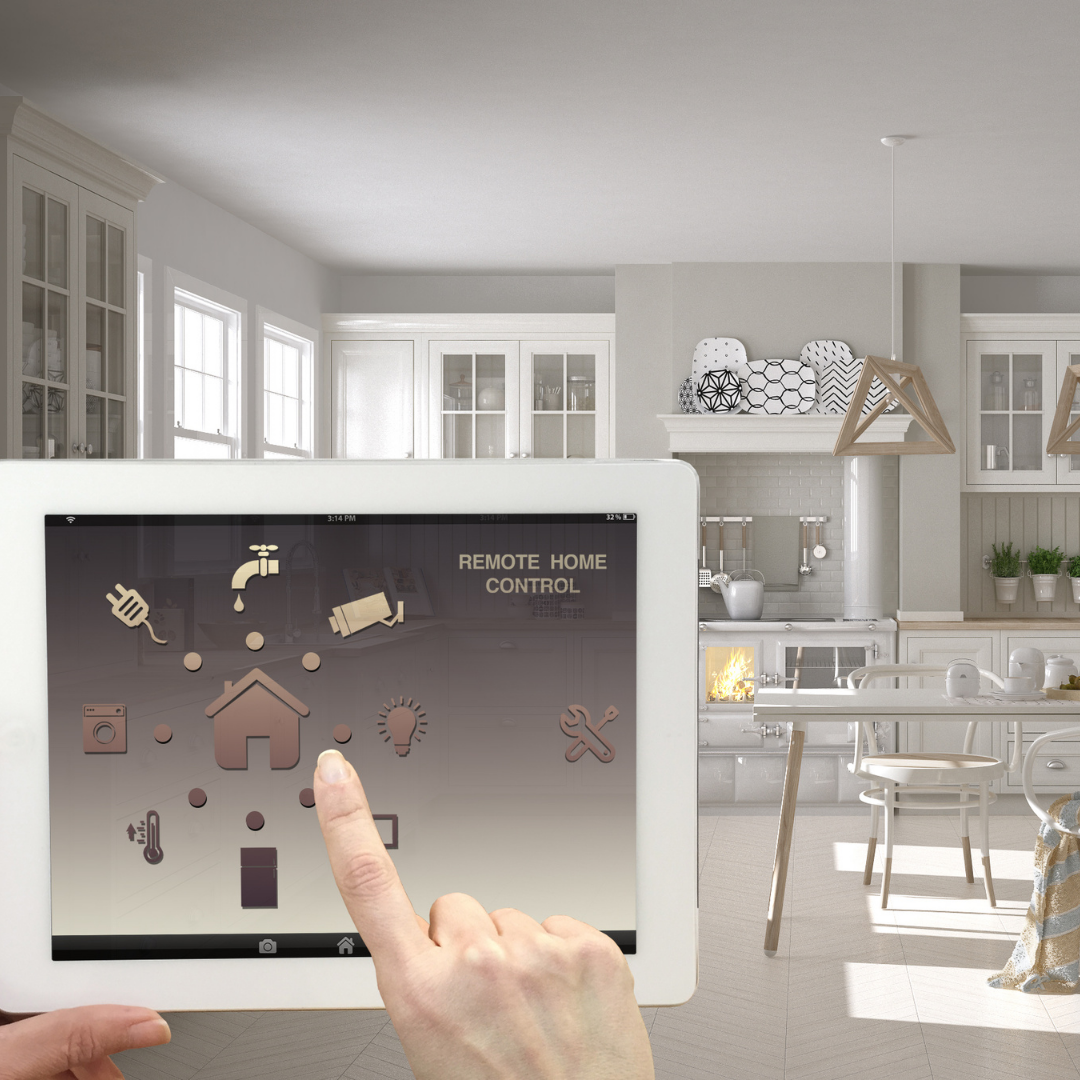
Home automation is a rapidly growing segment of the smart home space, as it combines two of today’s most popular trends: voice assistants and connectivity. It requires a smart home hub, so while moving into a new house, make sure that it is built in such a way that it can incorporate all the smart elements. Though the people moving into a traditional house might not have this option but those planning to get a new house built can contact reputed builders like Hallmark Homes Group, for instance, to have a smart home that could cater to all their needs. Moreover, the smart home hub connects to the Wi-Fi network and checks for new software updates, which notifies the connected devices of new features and abilities.

Up until now, it has been possible to automate many aspects of your home, such as lighting, heating, and security. Still, it’s now getting easier to automate your home entertainment as well. TV, gaming consoles, and streaming devices are just a few of the items that can be connected to your home network, and they can be used to control other smart devices in your home. In fact, you can use virtual assistants to gain control of even more devices in your home.

What can you automate in your home? Devices that are always on, like smart lights, thermostats, or next-generation locks and door locks, are just a couple of examples. However, you’ll find other devices that can be connected around your home that have a lot of potential to improve your day-to-day life. Smart security cameras, smart speakers, and smart alarm systems are just three of the ways you might find to automate devices in your home.

How Do You Automate Your New Home with Smart Devices?

Smart devices are all around us these days, and they help us to be more efficient and productive. The latest trend is smart home automation, and there are loads of products that you can use to make your house smarter. Well, it’s time to get the smart home revolution started, and so you are on your quest to find the best smart home gadgets to automate your homes.

Depending on the size of your budget, you can find a wide range of devices, from cheap smart plugs to multi-room sound systems and automated lighting systems. These days, a lot of energy efficient homes are built with the intent of automation. These homes come with a low HERS index, which means they are built to consume less energy, which makes them ideal candidates for smart integration.

Moreover, you can also improve the energy efficiency of your home by regularly maintaining all the electronics and gadgets around the house. Most electric and electronic appliances consume more energy with time; however, proper maintenance and upkeep can reduce fuel wastage and make it environmentally friendly. For instance, if your heating system has not been repaired or serviced in a while, you may encounter situations like slow heating, heat escape, huge electricity bills, etc. To avoid these problems, you can hire a company for furnace repair In Twin Falls (or wherever you are situated), which can provide your furnace repair and upkeep facilities. And once your house becomes energy efficient, you can consider automating a few home appliances to improve the sustainability of your indoor environment.

As you are probably aware, automation has become a major part of today’s life. From smartphones to appliances, we are using devices to help us with everyday tasks – from sending emails to programming our thermostats. It’s not surprising that as technology gets better at automating our lives, we want to take it even further. Of course, the real question is how far are we willing to go? The answer partly depends on the type of person you are. Are you a minimalist who loves to have control over everything around you? Or are you the kind of person who would prefer to have a little more freedom and to be able to “take back control”?

When it comes to home automation, you’ve got options. You can go down the DIY home automation route, where you build a home automation system from scratch and program it by hand. Alternatively, you can let a professional do all the hard work for you and set up an automation system over the internet.

Before You Get You Automate Your New Home…

If you are planning a new home and want it to be connected, you have a lot of decisions to make:

  • What type of home automation will you use?
  • How much do you want to spend?
  • How can you have the best experience with your home?

You may have some good ideas about how you want your home to be, but it’s important to take a step back and think about how you want to live and what you want to get out of your home. Also, a lot of new technology inevitably comes with a price tag, and smart technology is no exception – especially when it comes to home automation. While your home will look a bit more futuristic with all the smart home devices installed, you will need to budget for other things as well.

Top Motion Sensor Light Switches

Motion sensor lights are special lights that only turn on when they detect movement, so they can save energy and don’t need to be on all the time. But they don’t only work with traditional switches; they can be found in the new kind of dome and strip lights, as well as in smart switches, built into the bathroom and kitchen cabinets, and even on walls.

Motion sensor lights are especially used in commercial offices like fancy spas or salons. It is a part of the aesthetic experience that the customers go for. However, if you’re considering installing any of these lights in your commercial spaces, you might want to talk to a commercial electrical contractor first to figure out the logistics and feasibility of it. Overall though, motion sensor lights could make a good boost for businesses.

Are you looking for the best motion sensor light switches? If so, here is a list of the top switches that you can choose from:

  • Legrand Radiant Motion Sensor Light Switch – The Legrand Radiant Motion Sensor Light Switch is a great entry-level motion sensor light switch, available in black or white. The motion-sensing feature works by sensing the motion of people and pets in the room and activates the lights to come on at night. The low cost of the switch means you can set up a large number of motion sensors and get a lot of bang for your buck.
  • ECOELER Motion Sensor Light Switch – For many people, choosing a Motion Sensor Light Switch is a no-brainer when they want something to turn on and off, depending on the amount of movement in a room. But what is the best one to choose? There are many different types of motion sensors available, so to help you select the best one, we are taking a look at the ECOELER Motion Sensor Light Switch. It is one of the top Motion Sensor Light Switches you can buy right now, and it comes with two motion sensors-one that detects motion at a distance and one that detects motion in the immediate area-so you can have lighting turn on when you enter a room and turn off when you leave.
  • TOPGREENER TSOS5 Motion Sensor Light Switch – The TSOS5 is a slim motion sensor smart light switch with a small and sleek design and a number of different lighting choices. One of these is sound, and with the TSOS5, you can turn on the lights by hearing them. The TSOS5 is also a motion sensor light switch with a built-in microphone. It will detect the amount of motion in your room and turn the lights on automatically.
  • ELEGRP Occupancy Motion Sensor Light Switch – The ELEGRP Occupancy Motion Sensor Light Switch is a light switch designed to save energy and save money by not turning off lights completely when you leave a room. When motion is detected in the area, the switch will turn the lights off and resume their previous settings when the area is no longer occupied. The switch is extremely sensitive and has a 100% success rate in detecting motion, even through walls. The switch is available in any standard switch type and can be used in any standard light fixture.
  • Lutron Maestro Motion Sensor Light Switch – If you’re tired of turning on/off your lights manually when you’re in the bathroom, or you want to make your automatic lights turn off after a certain amount of time, the Maestro Motion Sensor Light Switch is a great way to automate your lighting. All you have to do is program the switch so that you can press the switch to turn on the lights for a set amount of time (be it 20 seconds or 1 hour) and then press it again to turn the lights off. There’s no need to remember to turn off your lights when you leave the bathroom or set up a programmable timer. The Maestro comes with a range of programs that can make your lights turn on and off at a particular time. This is a great idea if you’re thinking of renovating your bathroom. You might want to talk to a few bathroom remodeling companies on how to best integrate such lights into your home. The idea is to make your bathroom experience more convenient and efficient.
  • Enerlites MWOS-W Motion Sensor Light Switch –The Enerlites MWOS-W Motion Sensor Light Switch is both cost-efficient and energy-efficient. It has been designed with an exceptionally low-price range and works in all environments; it can be a perfect choice for anyone looking for energy-saving and cost. However, if you are still skeptical about making the purchase, it would be recommended to consult your electrician regarding this–if you don’t have a designated one yet, you can check out the website of Calibre Connect (considered one of the most reputed electrician Sydney firms) to hire one and make a more informed decision about buying this fixture.

Conclusion
A motion sensor light switch is an emerging technology that can help you save energy and money by turning your lights on and off at set periods of the day. They happen to be one of the most popular options these days. If you too want it installed in your home, you might just need to consult an experienced electrician oakleigh (if that is where you live) and figure out which variant would work best for your space.

Apparently, these switches sense the arrival of a movement within the room, enabling your lights to turn on or off when the sun is up and when it is down. If you have looked at different available light switches, you may have noticed that they have different features. Check on those features and choose the one suitable for your needs.

Smart Home: What’s Involved?

As our lives have become increasingly connected to technology, we’ve also begun to take it for granted. The smart home is a big step in that direction: it is our idea of a connected world in which all of the physical things in our lives can be controlled remotely, not just those that are connected to the internet.

A smart home is starting to become the new norm, and everyone wants to incorporate some of its elements into their home. The sad truth, however, is that old homes may not be able to accommodate such tech advancements. Those who are really keen on living in a smart home may need to trade their old homes (likely through a firm offering we buy houses oklahoma city, or elsewhere) for a new one that can accommodate all the features they want in their abode.

What Is A Smart Home?

The smart home is a concept that is taking over our lives. It is here to stay, so we need to figure out what it means for us. First, we need to understand what it involves. There are three main elements of the smart home: The Internet of Things, Machine Learning, and Artificial Intelligence.

  • The Internet of Things is a concept that allows small electronic devices to communicate with each other and objects.
  • Machine Learning allows these devices to learn from their surroundings and from the data they collect.
  • Artificial Intelligence allows these devices to adapt to their surroundings.

Smart homes are the next big thing in the world of tech. These devices work in tandem. They have been available for a number of years now and have taken the tech world by storm. What’s so special about these smart devices? Well, for one, they are extremely useful. You can use them to control your lights, music, and thermostats. But having a smart home means more than just being able to control the lights from your phone. These devices can be your security system and the center of your social life.

Smart home technology enthusiasts are enthusiastic about their passion for all things connected, from gadgets to the internet of things. Many of them just can’t wait to have their own smart home gadgets and then some. But with all the options and features, does it actually make sense to build your own?

What’s Involved in Building Your Smart Home?

Building a smart home is one of the coolest technology trends today. When you think about it, a smart home is basically a house that can communicate with its surroundings and automate some aspects of its daily functioning. For example, your lights can be turned on automatically when you get home, your door can be unlocked automatically when your car enters the garage (or you can use gestures to unlock the front door). And thermostat can be adjusted automatically to your favorite temperature at night. The automatic closing and opening of doors in the garage can be designed based on a keyless entry system. In this system, a radio signal is transmitted from your car to the security system of the door. With proper integration of your signals with security devices, you could convert your home into a smart and secure place. These features improve your living experience, which is why smart home builders are so excited about the possibilities.

When it comes to building a smart home, you have two main options. You can choose to invest in an already-integrated smart home system, or you can install a DIY smart home system. Either way, you’ll need to figure out how to connect your smart home devices to the internet, which can range from a wired or wireless connection. You will need to ensure, first of all, that your home’s internet connection has good speeds. You can do this by connecting a device to the Internet and searching for “check my speed“, which should throw up websites that check network speeds for you. Having high-speed Internet becomes important to allow seamless communication among your many smart home devices, and can also ensure a higher level of security with your security systems (fast, functioning Internet means quick communications in case of emergencies). Also, there are a variety of smart home devices that can make your life more convenient, including video cameras (from the likes of Deep Sentinel and similar companies), remote-controlled appliances, and a host of other tech gadgets. It’s important to choose the right devices for your lifestyle and the ones that give you the best bang for your buck.

Other Important Things to Consider…

By now, you’re probably aware of how smart homes are going to revolutionise the way we live our lives in the near future. However, there are some things you need to consider before purchasing a smart home system, just like you would before buying a car, a house, or any other home appliance. If you can plan out your smart home, you will know how much money you will need to put into your home, how long you will need to work on the smart system, and how much you will save.

Also, there are many things that are not included in the cost of a smart home system. For example, your smart home system will not include a reliable set of home security cameras, proximity lights that are able to warn you of any unwanted visitors, and a time-of-day schedule for lights so that you can be sure that there won’t be any unexpected intruders entering your home.

But at the end of the day, having a home that is smart can be the most important thing in your life right now. A smart home is going to make your life so much easier, but it is something you have to plan for.

Smart Meters and Other Home Technology to Consider

We all have technology in our homes; it’s a part of life nowadays. Smart meters are an important part of that; they help us monitor our energy usage and reduce our energy bills. If you’re interested in learning more about smart meters, read more.

What Is A Smart Meter?

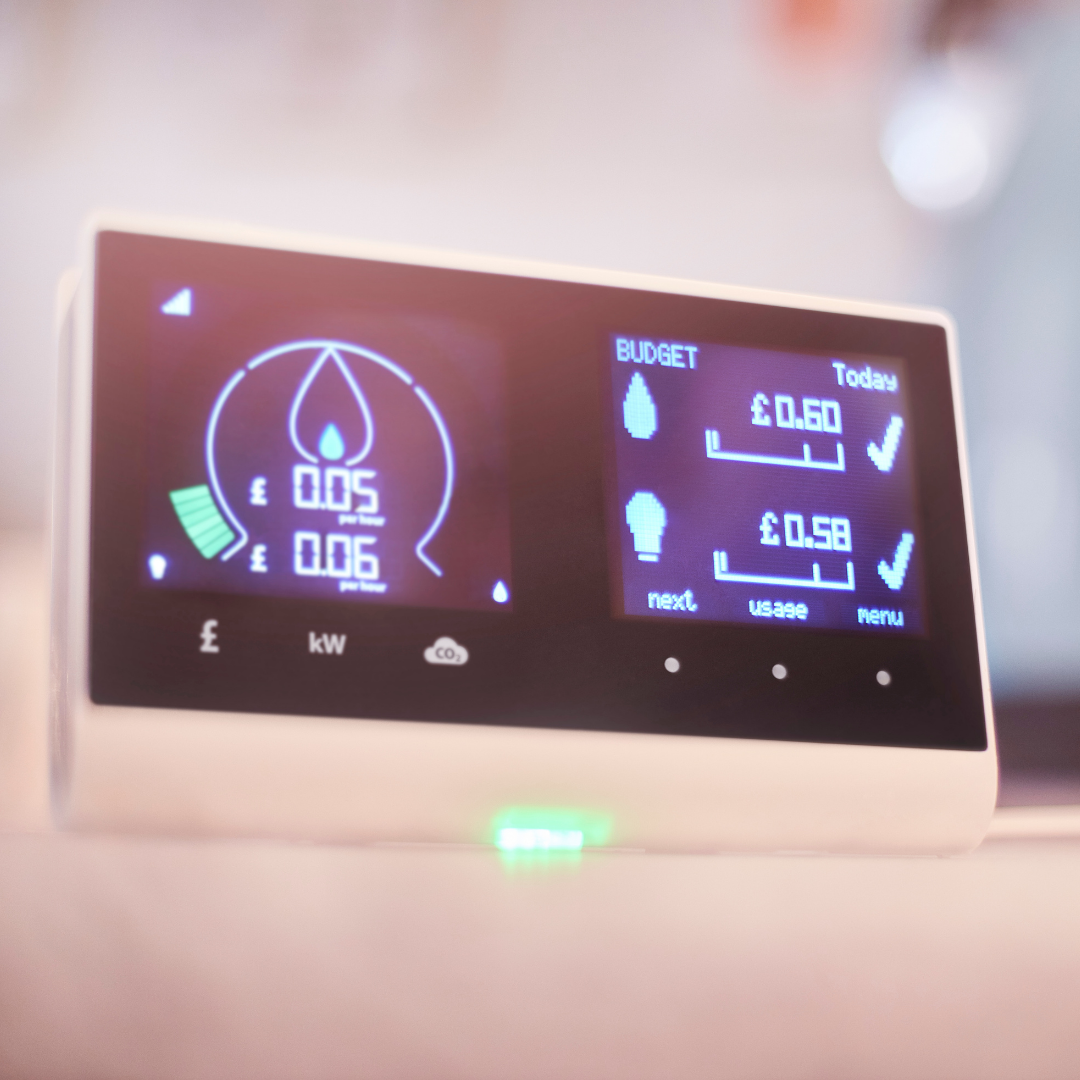
A smart meter is a type of device that helps monitor the energy consumption at your home and is sold by the company that you pay your electricity bill to. You get a detailed record of your electricity use and an improved ability to be energy-aware with it. You can also set up your smart meter to send you alerts when you use too much energy or when the electricity is particularly cheap.

Smart meters are being installed at a rapid pace across the United States. Aside from monitoring your energy usage and seeing how much electricity you are consuming; they can also help you save money. Using smart meters, you’re able to see how much energy you used in the past and set a daily budget not to exceed that amount, so you’re not paying more than you should be.

If you have something that is not powered by electricity, you may need to keep track of it with a note or an additional app on your phone. For example, if you have a central heating system that is primarily fueled by propane, you may need to keep track of the time when you are about to run out of it so that you can contact delivery professionals from companies like Kelly Propane and Fuel to restock it. So, smart meters would only work with appliances that run solely on electricity. However, keep in mind that the parts of your propane heating system that use electricity, such as the fan and igniter, maybe use some power, which will most likely be reflected on your smart meters.

Other Home Technologies That You Can Consider

Smart meters and other home technology are getting more popular, as they help save energy and money. There is an abundance of home technology that helps you take care of everyday household chores, from washing dishes to gardening to vacuuming. One of the most important things you can do for yourself and your family is to get organized to make sure you have the right equipment available and the right tools ready.

Also, here are the other home technologies that you can consider for your smart home:

  • Nest Thermostat.The Nest thermostat is one of the most popular smart home devices, and it’s just one of many that can be used to monitor and control your home’s heating, whether you have an oil burner and get oil from somewhere like Bonded Oil Company to run it, or a gas boiler, or another type of heating altogether, as well as ventilation, and air conditioning. These devices can save you money by triggering your central heating or cooling system when you’re not home, and they can also help you control your home’s lighting and appliances. For the system to work, you may require a well-maintained HVAC system that has high workability and efficiency. Moreover, you may also need a professional technician from websites similar to brookshvac.com/ who can connect the HVAC with the automation system.
  • Smart Lighting Solutions. The smart home isn’t only about home automation. Having smart lighting solutions installed in your house can offer a lot of benefits: Save money. Save energy. Free up your time. You can even gain a competitive advantage by controlling lighting in a room in real-time. Additionally, you can also install a secondary glazing heat reduction solution on windows so that you can get natural light during day hours while keeping the indoors insulated. This can reduce your ecological footprint by minimizing the use of artificial lights and an HVAC system.
  • Home Surveillance Cameras. In the world of home security, you have a push-button system, a DVR and a motion detector, a door and window sensor, and a siren or horn. These are all great options, but there is another system you might want to consider that is pretty cool, wise, and simple. It’s called a Smart TV.
  • Smart Blinds Solution. Whether you’re a homeowner or a real estate agent, we all know that building a smart home is a huge undertaking. There are plenty of technology products and services out there that are designed to make your home life easier and more efficient, but one of the most important is a smart blind. A smart blind is a smart window that blocks sunlight when it’s too bright outside or opens to let in natural light when it’s dark. It’s a great way to save on energy and keep your home a more comfortable place to live.
  • Smart Door Locks. There are a lot of people who really consider smart door locks as one of the other home technologies to consider. They are always looking for the newest and smartest connected devices that their homes can have. They want to set their home up for the future, and a smart door lock is the type of device that can provide the security and safety that these people are seeking.

There are a lot of things you can do to make your home more energy efficient. With the right technology, you can lower your energy bills, cut down on your heating and cooling bills, and even lower your dependence on the grid. But that doesn’t mean you have to spend a fortune to make your home a more energy-efficient one. Sometimes choosing the right technology is the key.

Should You Buy A Robot Vacuum Cleaner?

Now you can get a robot vacuum that cleans the entire house for you, but how does it compare to the average human when it comes to cleaning? Let’s find out.

Most cleaners you buy at the store are designed to spot dirt and remove it from the surface so your vacuum can pick it up and return it to the same spot. They aren’t particularly smart in the way they clean, and they don’t really know how to navigate stairs or the smallest areas of the home. For example, if you have a carpeted home, you might not be able to get it cleaned in the way you would have liked if you did it yourself! In this case, contacting professionals (similar to this agency specializing in carpet cleaning gloucester) could be a better option for you to consider. However, if you are inclined towards getting a robot vacuum cleaner, read on!

Here are the following things to consider before you buy a robot vacuum cleaner:

  • Think about the price. Robot vacuums are more effective than professional cleaning staff, but the cost of the machine is still a major factor in determining whether or not a robot is a good investment. The robot vacuum cleaners will work, but they are not cost-effective for everyday cleaning, especially for small homes. Robot vacuums save on labor, but they don’t really save that much on labor, all while they’re covered in dust and dirt. The cost of having a robot vacuum cleaner do your vacuuming is fairly high since you’re paying for the vacuum and maintenance of the machine.
  • Your home layout should be compatible with this kind of vacuum.When deciding to buy a robot vacuum cleaner or any other new piece of technology, it’s always a smart idea to take the time to check its compatibility with your living space. It’s easy to get swept up in the excitement of new products and forget important details like how big your house is, how many pets or kids you have, how high the ceiling is or what material your flooring is made of. Before you make your final purchase, take the time to find out all this and how the vacuum will fit into your home. For instance, if you have a 3-bedroom home with wooden flooring that houses three pets and two kids, then there are chances that your house might be beyond the caliber of the vacuum to clean. This means, it would be a better idea to invest in a professional who can offer thorough upholstery, ceiling, and Wood Floor Cleaning among other sanitation services.
  • Robot vacuums provide real benefits. A robot vacuum can help you keep your home tidy, remove dust and dirt from hard-to-reach places, and, perhaps most importantly, is a good investment since one can save quite a bit of money on your utility bills by reducing air pollution.
  • They’re not a replacement for your standard vacuum cleaner. With the rise of home automation, consumers are becoming increasingly open to the idea of buying a robot vacuum cleaner. Some are worried about the expense of a robot and are making a smart decision by buying a vacuum that isn’t a robot. They don’t fully replace your standard vacuum, but instead, when combined with the owner’s cleaning schedule, they can be a great addition to a busy household that needs cleaning. Additionally, if your standard vacuum is broken, you’d obviously have to get it repaired by one of those Appliance Repair Services that specialize in it. So, until then, the robot could act as a spare or a substitute for all the home cleaning. So, it really depends on your needs when it comes to cleaning. Only you can decide if the robot vacuum cleaner is a good fit for you.
  • Sometimes, they might cause some untoward “poop” accident in your home. Robot vacuum cleaners can be a useful addition to any home. In case you don’t know, a robot vacuum cleaner is a small appliance that sucks up dust and dirt from floors. But what you might not know is that these aren’t just any ordinary vacuums – they’re actually powered by an assortment of motors, sensors, and other pieces of tech. It works by moving around on a “map” of a room, detecting all the clutter, and cleaning up the mess. Some even have the ability to take care of pet hair and debris, though that’s a feature that not all robot vacuums have in common.

Should you buy a robot vacuum cleaner?

Depending on your answer, this is a question that you might be willing to pay for or would not even consider. In the current economic climate, that question might not even have crossed your mind. In the future, robot vacuum cleaners could be cheaper to buy than a hand-held device and effective at cleaning, as they can get into the smallest spaces, thus making them more efficient. However, currently, people can also consider hiring house help and professional cleaners to do the job. You may additionally require Dumpster Rental or look for a junk removal company in your locality to get all the unnecessary items removed from your home after a complete cleaning.

If you have ever needed to vacuum your home, then you have no doubt wished for a robot vacuum cleaner. You might have thought they were too expensive or that they were too hard to use. But now, you can have the satisfaction of a robot vacuum cleaner at a price that is affordable and easy to use.