
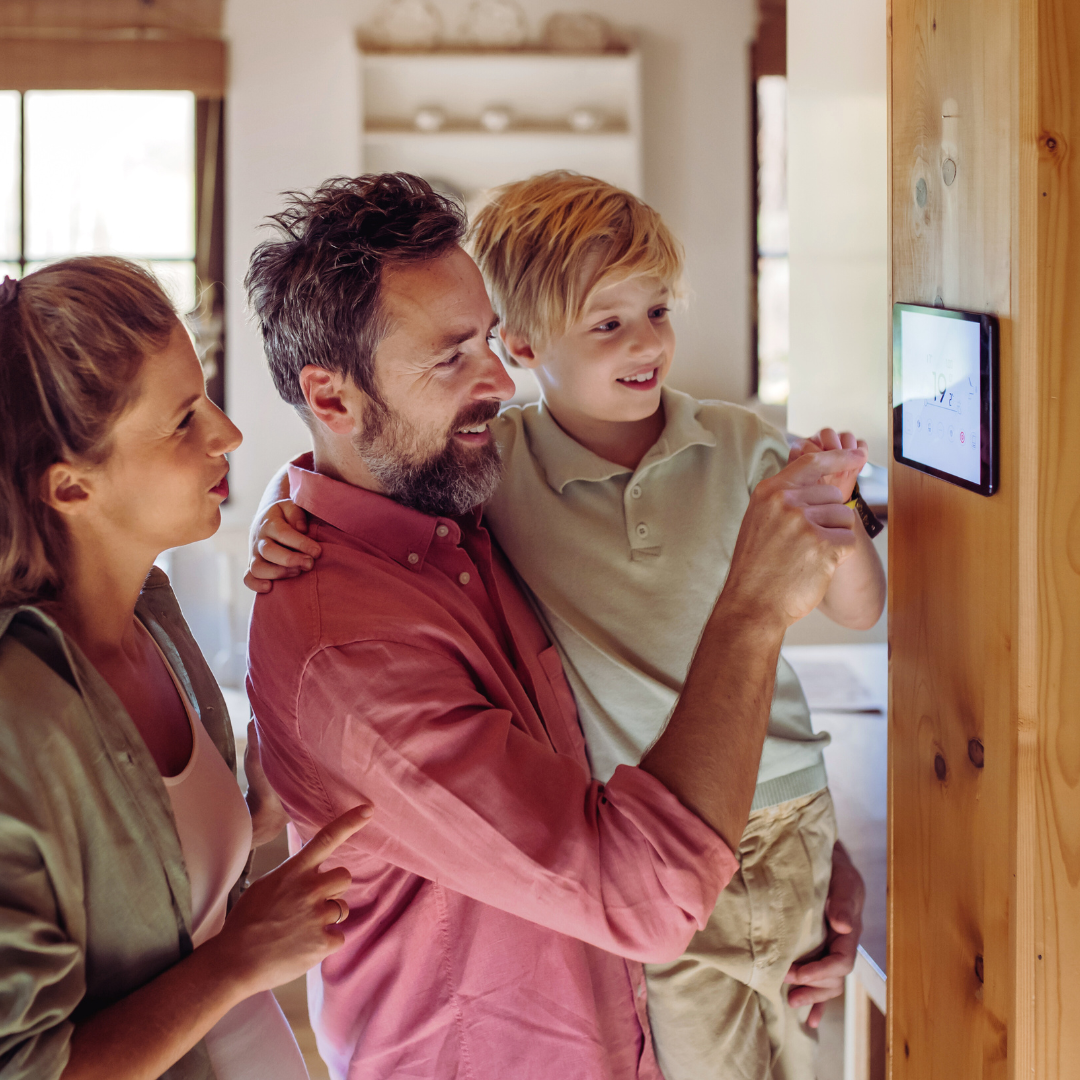
Smart Home Solutions: Enhance Your Living Space with Innovative Technology
Smart home solutions are transforming the way individuals interact with their living spaces. These technologies not only enhance convenience but also improve energy efficiency and security at home. Home automation through smart home devices empowers homeowners to control lighting, temperature, and security from their smartphones, making daily life simpler and more efficient.
As advancements in smart home technology continue, a variety of devices are available to fit diverse needs and preferences. From smart thermostats that learn personal habits to security cameras that integrate seamlessly with mobile apps, the options are vast. This shift towards intelligent living environments not only appeals to tech-savvy individuals but also offers practical benefits to anyone seeking a more manageable home life.
Exploring these innovative solutions reveals how they can meet modern demands, providing a cohesive approach to home management. Whether one is interested in enhancing comfort, maximising safety, or reducing energy costs, smart home systems present compelling advantages. Embracing this technology is increasingly regarded as a wise investment for both current lifestyles and future advancements.
Essential Smart Home Devices
Smart home devices enhance convenience and security, providing users with essential solutions for daily life. Two primary categories include smart speakers and home security systems, both of which offer unique functionalities that integrate seamlessly into modern living.
Smart Speakers and Voice Assistants
Smart speakers serve as the central hub for controlling other devices within a smart home. Popular models, such as the Amazon Echo and Google Home, come equipped with voice assistants like Alexa and Google Assistant.
These voice assistants can manage tasks through simple voice commands, from playing music to controlling lights. HomePod and HomePod mini by Apple also offer integration with Siri, enabling users to manage compatible devices easily.
The best smart speakers provide high-quality audio and support for various smart devices. The Echo Studio, for instance, delivers immersive sound while maintaining compatibility with a wide range of smart home products, making it a versatile choice for users.
Home Security and Surveillance
Home security systems are vital for protecting a household. They include smart locks, security cameras, and video doorbells, providing real-time monitoring and control.
Smart locks enable keyless entry and can be controlled remotely, enhancing convenience. Many models offer compatibility with voice assistants, allowing users to lock or unlock doors using simple commands.
Unlike traditional locks that require physical keys, voice-controlled smart systems offer hands-free access and remote management, reducing the risk of lost or duplicated keys.
However, if you’re still using a traditional lock and find yourself locked out, a reputable Locksmith Wolverhampton (or wherever you are located) can help you get back in quickly by picking the lock, rekeying it, or providing a replacement key on the spot.
Meanwhile, home security cameras offer features like motion detection and night vision, ensuring comprehensive monitoring both indoors and outdoors. Devices such as the Ring Video Doorbell allow homeowners to see who is at the door via their smartphone or smart speaker.
Implementing these security solutions not only provides peace of mind but also enhances the overall functionality of a smart home.
Smart Home System Integration
Integration is crucial for creating a seamless smart home experience. It involves connecting various devices to work together efficiently. This section examines smart hubs, connectivity standards, and automation methods that enhance system performance.
Smart Hubs and Ecosystems
Smart hubs serve as central control points for managing multiple devices within a smart home. Popular options include Apple HomeKit, Samsung SmartThings, and Google Nest Hub. These systems enable users to connect and control compatible gadgets, such as lights, thermostats, and cameras, through a single app.
Home ecosystems, such as those built around the Apple Home app or Alexa app, enhance automation capabilities. They allow users to set routines and schedules, providing convenience and efficiency. For instance, a user might create a morning routine that adjusts the thermostat, turns on lights, and plays music via Nest Audio with a single command.
Connectivity Standards
Reliable communication between smart devices relies on robust connectivity standards. The most common technologies include Wi-Fi, Bluetooth, Zigbee, and Thread. Each offers distinct features suited to different applications.
Wi-Fi is suitable for devices needing high bandwidth, while Bluetooth excels in short-range connections. Zigbee and Thread are designed for low-power devices, ensuring extended battery life. The recent introduction of Matter aims to unify these standards, making it easier for devices to work together across ecosystems.
Automation and Control
Automation simplifies daily tasks through smart routines and voice commands. Users can program devices to respond to specific triggers, such as time of day or sensor activity. For example, a security camera can automatically activate when the front door opens.
Proper wiring and safe electrical setups are fundamental to ensuring these smart systems function without issues. When planning extensive automation, it’s important to have a professional assess your home’s electrical capacity and installation needs. An electrician Fort Myers FL or in an area local to you, can help ensure your system is both reliable and up to code.
Voice controls have transformed how users interact with their smart home systems. Commands issued through devices like Google Nest Hub and Amazon Alexa can manage device states seamlessly. Moreover, platforms like IFTTT (If This Then That) empower users to create custom automation tailored to their lifestyle, increasing overall functionality.
Home Climate and Lighting
Efficient management of home climate and lighting can significantly reduce energy costs while enhancing comfort. Smart devices are central to achieving optimal conditions in living spaces, allowing users to control temperature and lighting with ease.
Smart Thermostats
Smart thermostats provide precise control over the home climate. Devices like the Ecobee smart thermostat and Amazon smart thermostat connect to Wi-Fi, enabling users to adjust settings remotely via smartphones.
These thermostats learn user preferences over time, automatically adjusting temperatures based on behaviour patterns. This functionality not only enhances comfort but also improves energy consumption efficiency. For instance, a connected thermostat can reduce heating and cooling when the home is unoccupied, leading to lower energy costs.
Key features often include:
- Geofencing: Adjusts temperature based on the user’s location.
- Energy Reports: Provides insights into energy usage patterns.
- Integration: Works with other smart home devices for a cohesive management system.
While smart thermostats offer powerful energy-saving tools, they still rely on a well-maintained HVAC system to deliver results. Routine upkeep – such as filter changes, system inspections, and timely repairs – is essential to ensure optimal performance. If your cooling system isn’t operating efficiently, even the smartest thermostat won’t be able to compensate. That’s why it’s important to schedule regular checks with a trusted Air conditioning service Melbourne FL (or a similar provider in your area) to keep everything running smoothly behind the scenes. A properly serviced air conditioner ensures that your thermostat settings actually translate into real-world comfort. Combined, smart technology and consistent maintenance offer the best path to a climate-controlled, energy-efficient home.
Smart Lighting
Smart lighting systems enhance convenience and energy efficiency. Smart light bulbs, such as Philips Hue, offer users control over brightness and colour, allowing for tailored lighting experiences.
These systems can be programmed to follow schedules, turning lights on or off based on user routines. Additionally, smart lights can be controlled remotely, giving the ability to ensure lights are off when not needed, significantly impacting energy usage.
Features typically include:
- Dimming: Adjust brightness levels to suit different activities.
- Voice Control: Compatible with virtual assistants for hands-free operation.
- Scene Setting: Create customised lighting scenes for various moments.
With these advancements, managing home climate and lighting becomes both an energy-efficient and user-friendly experience.